Winter Wellness: Looking After Yourself When You're Sick
During winter, our health and healthy habits may suffer. This is because in the colder weather and when there are fewer hours of sunlight, there may be an increased spread of colds, flu and other respiratory infections. These can leave you feeling tired, run down, less motivated to eat well or even exercise.
But being unwell doesn't mean you need to abandon your healthy habits completely. Instead, it’s about giving your body what it needs to recover, while making realistic choices that help you feel your best. One of the most important places to start is with nutrition.
“Did you know 70% of the immune system exists in the gut. Our gut health impacts not only physical and psychological well-being but also our immune system," says Moshy Accredited Dietitian Kirby Sorenson. “This is why it’s so important to not overlook gut health.”
How Does Our Immune System Work?
Our immune system is there to protect us from harmful substances, like germs from bacteria and viruses, that might make us unwell. It’s made up of various organs, cells and proteins [1].
White blood cells, which are also known as leukocytes, are an important part of the immune system, as they defend the body against harmful bacteria, viruses, and parasites and can trigger inflammation, which helps the body respond to infections and clear damaged tissues and pathogens [2].
The aim is to stay well nourished, rested, giving our bodies the support it needs to help fight these sicknesses and respond to illness. Nutrition plays an important role in helping to support a well-functioning immune system, and key nutrients can help our bodies function well, with vitamins like vitamin C, vitamin D, zinc, vitamin A and probiotics [3].
Important nutrients our bodies need to help fight infections:
Vitamin C
Vitamin C is a powerful antioxidant and critical for the best performance of different immune cells, allowing them to effectively defend the body against harmful invaders. Having sufficient vitamin C intake is important for a strong immune system [4].
Vitamin D
Vitamin D plays a key role in regulating the body's immune responses, helping it to react appropriately. Vitamin D intake is important for a balanced and healthy immune system [5].
Zinc
Zinc is an essential mineral that plays a vital role in the healthy development and proper function of immune cells, which are crucial for the body's defense system. Zinc is important for an optimal immune response [6].

What Should You Eat When You're Sick?
When you're unwell, you may not have much of an appetite or feel like preparing complicated meals. You also might want to reach for quick snacks or processed food for ease.
“You don't need to force yourself to eat a perfect diet, but you should try to focus on on well balanced and nourishing meals,” says Kirby.
Some foods that can be useful when you're sick include:
1. Fruit and vegetables
Fruit and vegetables provide a range of vitamins, minerals, antioxidants and fibre [7].
“If you're struggling with your appetite, try easy options such as bananas, oranges, mandarins, berries, kiwifruit or cooked vegetables,” adds Kirby.
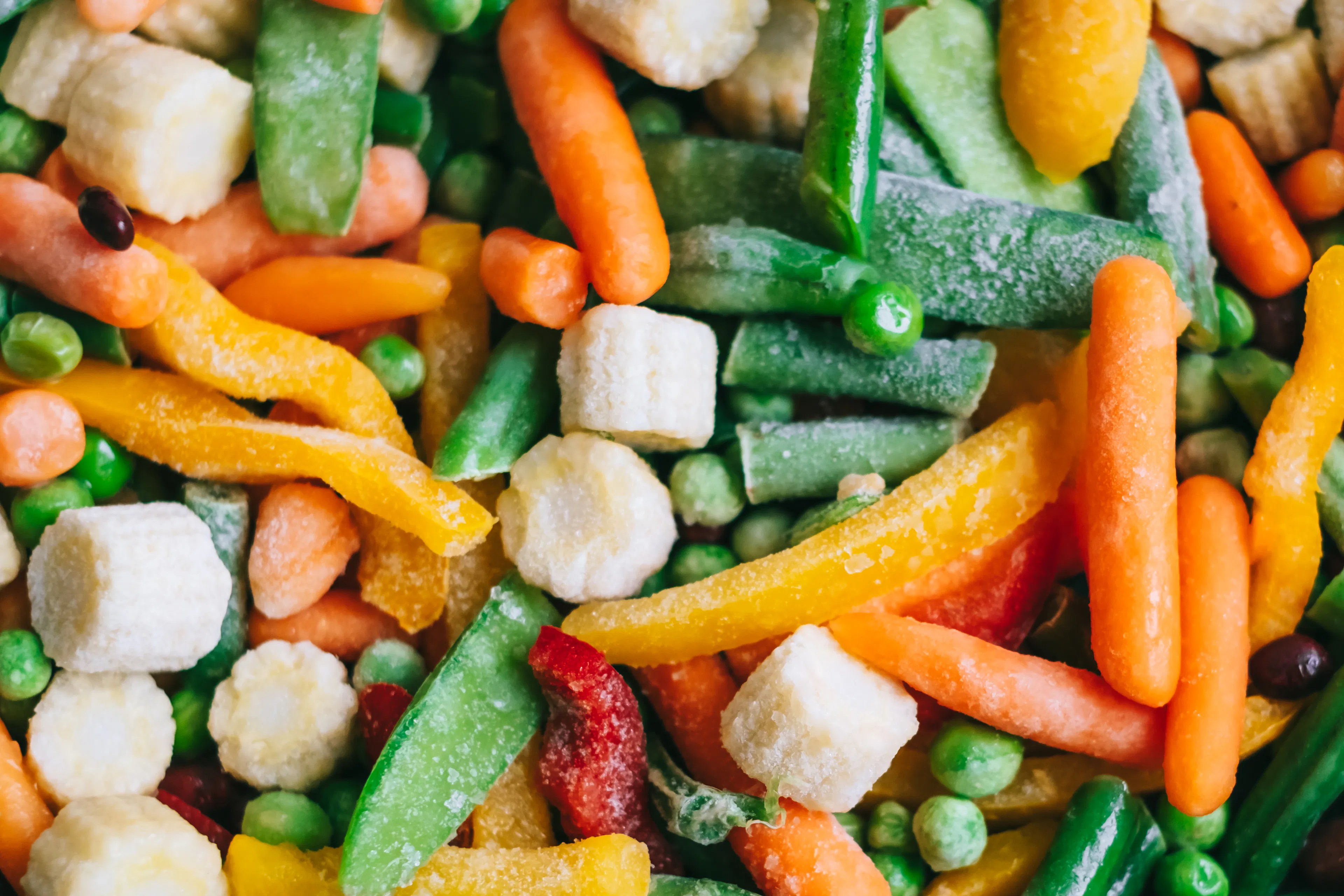
“Frozen or tinned fruit and vegetables can also be a convenient option when you're unwell because they require little preparation and can be stored for longer.”
2. Soups and nourishing meals
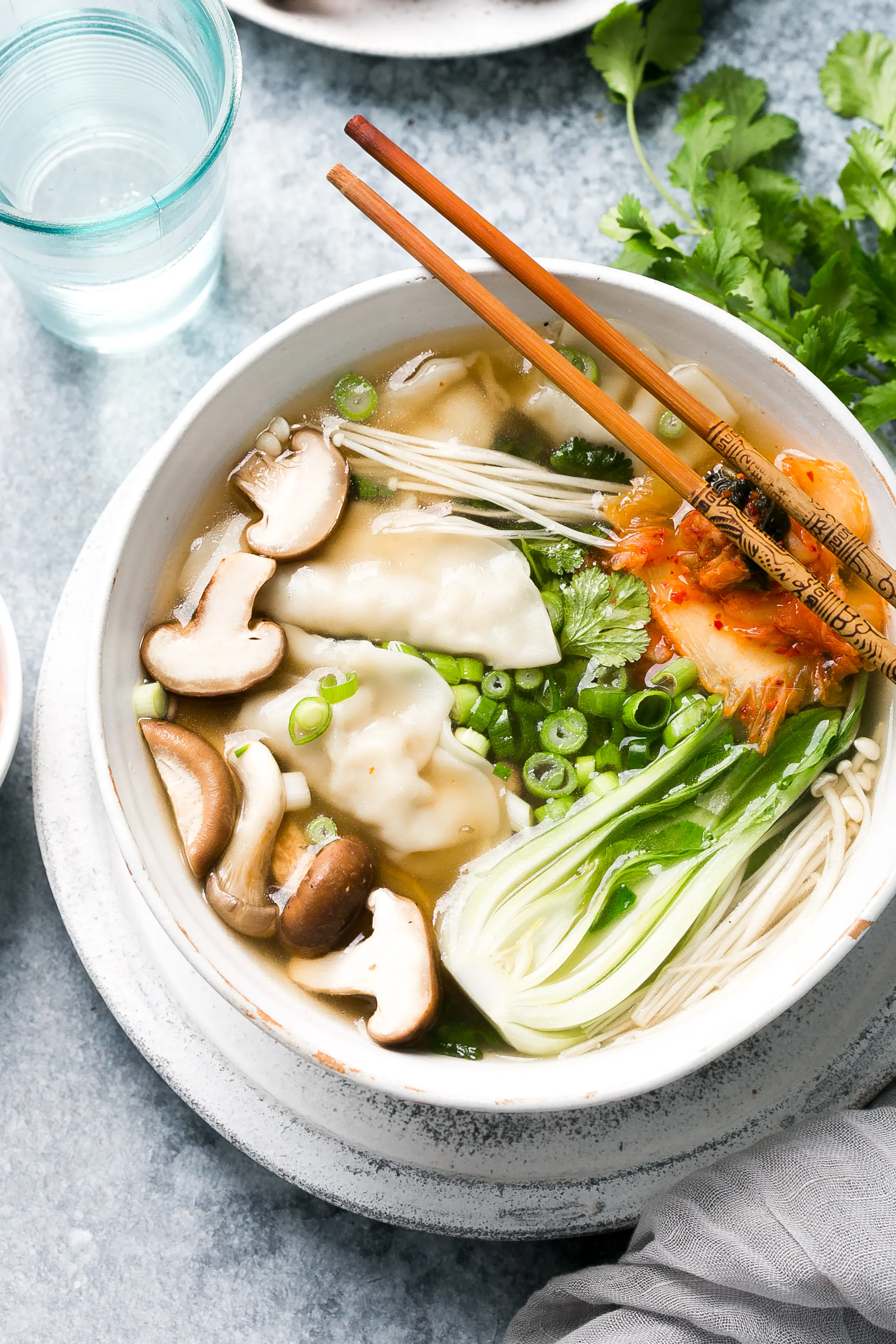
Soup can be an easy winter meal when you're feeling under the weather. Vegetable soup, chicken soup, lentil soup and other nourishing options can provide fluids and nutrients while being relatively easy to eat.
Adding ingredients such as beans, lentils, chicken or other protein sources can make soup more filling and nutritious.
3. Protein-rich foods
Protein is important for maintaining and repairing body tissues and supporting normal body functions [8].
“Easy options can include eggs, yoghurt, fish, chicken, tofu, beans, chickpeas and lentils. If cooking feels like too much effort, keep convenient protein-rich foods available so you have something easy to reach for,” says Kirby.
4. Foods containing vitamin C
Vitamin C also plays an important role in normal immune function [9]. Citrus fruits such as oranges and mandarins, as well as kiwifruit, berries, broccoli and capsicum, can all contribute vitamin C to your diet.
However, eating large amounts of vitamin C won't magically cure a cold. The aim is simply to maintain a balanced diet that provides the nutrients your body needs.
“It doesn’t prevent contraction of colds. However, it is effective in reducing duration and severity by antihistamine action and immune enhancement specifically relieving cold-like symptoms,” says Kirby.
“If you use vitamin C after the onset of symptoms it may reduce severity and duration. Distributing doses across the day, three times a day.”
5. Foods containing vitamin D
Vitamin D helps regulate the body's immune responses. Fatty fish such as salmon, tuna and mackerel, as well as eggs and mushrooms, can provide vitamin D. Vitamin D can also be produced by the body following exposure to sunlight, although individual needs vary and some people may require supplementation [10].
“Vitamin D has protective effects against respiratory tract infections,” says Kirby.
“Consider supplements. They are most effective at higher doses (>2000 IU during high risk times of year).”
6. Zinc-rich foods
Zinc is an essential mineral involved in normal immune function. Foods containing zinc include meat, shellfish, eggs, legumes, nuts and seeds. Including a variety of these foods in your diet can help you meet your nutritional needs [11].
“Zinc reduces the chance of getting sick by protecting against infection through supporting antimicrobial peptide production and cellular immune response,” says Kirby.
“If you are already sick, you can supplement zinc lozenges within 24 hours of onset of flu-like symptoms.”
7. Don't forget to drink enough fluids
Staying hydrated is particularly important when you're sick, because it helps regulate your temperature if you have a fever, can replenish any water lost through sweating, help thin mucus if you are congested and help flush toxins out [12].
“Water is a simple choice, but other fluids can contribute too. Depending on what you feel like, you could also have herbal tea, broth, soda/sparkling water, or water-rich foods such as fruit and soup,” adds Kirby.
“If you're experiencing vomiting, diarrhoea, fever or significant fluid loss, you may need to pay particular attention to hydration. Rather than worrying about drinking a specific ‘immune-boosting’ drink, focus on regularly taking in fluids throughout the day.”
For any health concerns, seek medical help.
8. Catechines
Kirby says these are a type of flavonoid that acts as a powerful antioxidant.
“Adding them can reduce the chance of getting sick or reduce the duration of sickness,” she explains.
“Aim to include fresh teas (unfermented green tea), berries, cocoa, fava beans.”
Nourish Your Immune System
If you want to add more vitamin C, vitamin D and zinc to your diet, a varied, balanced diet may help you get the nutrients your immune system needs.
Here are some nutritious and readily available foods to include in your meals…
Excellent sources of vitamin C:
Citrus fruits
Mandarins, oranges, lemons, limes and grapefruit are well-known sources of vitamin C. They also provide antioxidants and other beneficial plant compounds [13].
Kiwi fruit
Kiwi fruit is particularly high in vitamin C and can contain even more than an orange per serve. It also provides vitamin K, vitamin E, folate, potassium and fibre [14].
Berries
Strawberries, blueberries and raspberries provide vitamin C along with a range of antioxidants, fibre, vitamin K, manganese and potassium [15].
Capsicums
Capsicums are an excellent source of vitamin C and also provide vitamin A, vitamin E and B vitamins, including B6 and folate [16]. “Capsicums are higher in vitamin C than most fruits too,” says Kirby.
Broccoli
Broccoli provides vitamin C, fibre and a range of antioxidants. Its fibre content also helps support a healthy gut, which plays an important role in overall health and immune function [17].
Leafy greens like spinach
Spinach contains vitamin C as well as beta-carotene, which the body can convert into vitamin A. It also provides iron, manganese, vitamin K and folate [18].
Good sources of vitamin D:
Oily fish
Salmon, tuna and mackerel are among the better food sources of vitamin D. They also provide omega-3 fatty acids, protein and other nutrients that support overall health [19].
Eggs
Egg yolks contain vitamin D as well as zinc, protein and a range of other vitamins and minerals, making eggs a convenient addition to a balanced diet [20].
Foods rich in zinc:
Sunflower seeds
Sunflower seeds provide zinc and vitamin E, along with healthy fats and other nutrients. Sprinkle them over salads, yoghurt or porridge for an easy way to add extra nutrients [21].
Lean beef
Lean beef, including steak and lean mince, is a good source of zinc, protein, iron and B vitamins. Zinc is particularly important for the normal development and function of immune cells [22].
Shellfish
Oysters are exceptionally rich in zinc, while crab and lobster also provide useful amounts. Shellfish can also contribute protein, iron and vitamin B12 to your diet [23].
Nuts
Almonds and hazelnuts provide vitamin E, healthy fats and some zinc [24]. They make a convenient snack or can be added to breakfast, salads and meals for extra crunch and nutrition.